LFP vs NMC Battery for Electric Scooters and Motorcycles: Which Chemistry Fits Your Market?
·
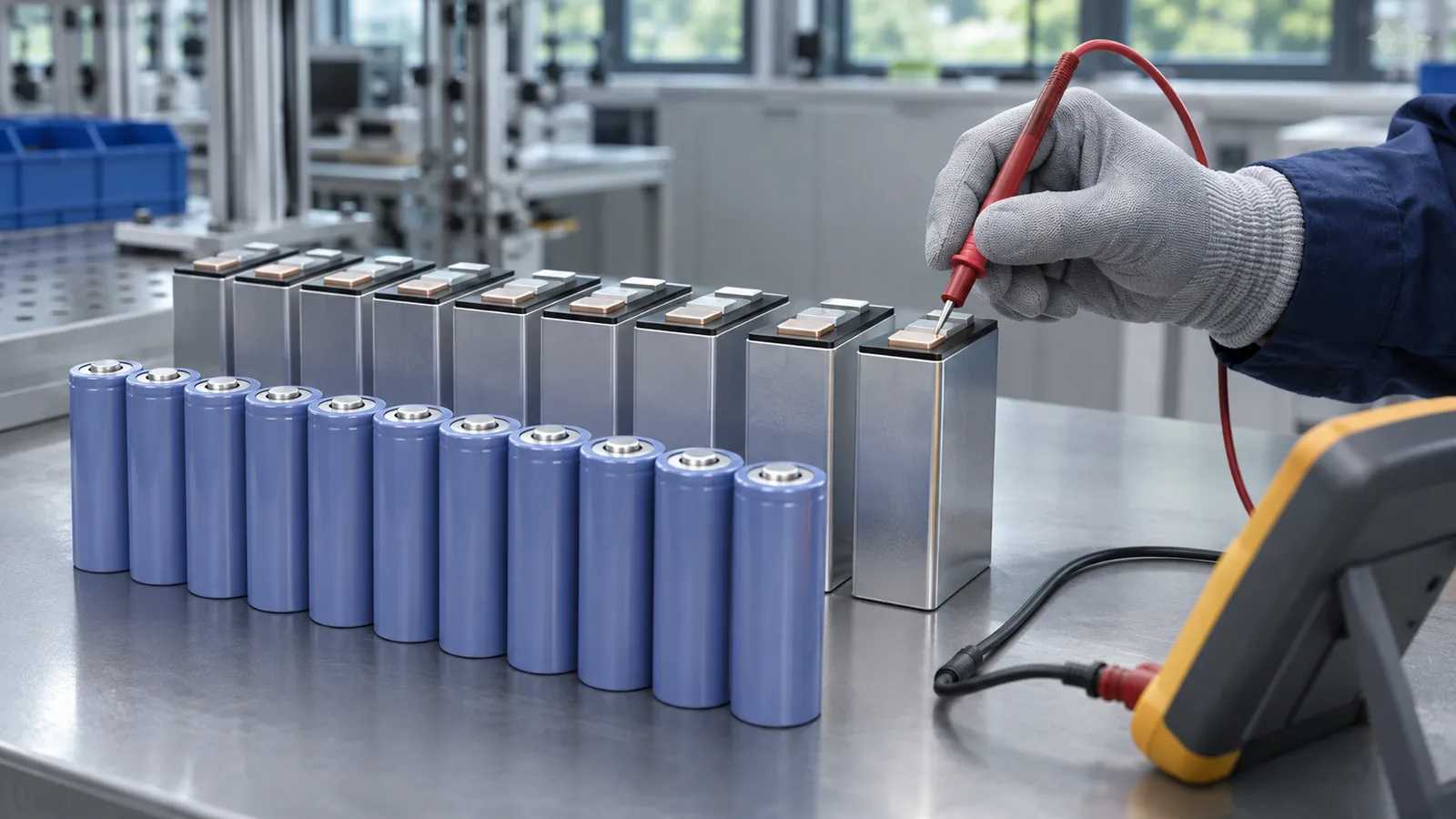
In the LFP vs NMC battery electric scooter decision, LFP wins on cycle life, thermal stability and cost, while NMC wins on energy per kilogram and cold-weather performance. Match the chemistry to duty cycle, climate and weight limits.
Contents
- What is the difference between LFP and NMC chemistry?
- How do LFP and NMC compare on the specs buyers care about?
- How much does energy density matter on a scooter?
- Which chemistry is safer in heat and abuse?
- How does cold weather change the comparison?
- Which chemistry fits commuter, delivery and tricycle use?
- How does STARGO handle battery chemistry choice?
- Frequently Asked Questions
Key Takeaways
- In the LFP vs NMC battery electric scooter decision, LFP wins on cycle life, thermal stability and cost, while NMC wins on energy per kilogram and cold-weather performance.
- Match the chemistry to duty cycle, climate and weight limits.
The LFP vs NMC battery electric scooter choice is a trade-off between endurance and energy density. Lithium iron phosphate (LFP, LiFePO4) packs last more cycles, tolerate heat better and cost less; nickel manganese cobalt (NMC, often sold as "ternary lithium") packs store more energy per kilogram and behave better in the cold. Delivery fleets and tricycles usually favour LFP, while weight-sensitive commuters and high-speed motorcycles can justify NMC.
Quick answer: Choose LFP when the vehicle cycles daily, works in hot climates or carries heavy loads, because it gives longer cycle life, a wider thermal safety margin and lower cost per kWh. Choose NMC when weight, seat-box space or winter range matter more than cycle count. Either way, the BMS and cell quality decide real-world results.
What is the difference between LFP and NMC chemistry?
Both are lithium-ion batteries; they differ in the cathode material, which sets cell voltage, energy density, stability and cost.
- LFP (LiFePO4): iron-phosphate cathode, nominal cell voltage about 3.2V, no nickel or cobalt. The olivine structure holds oxygen tightly, which is why it resists thermal runaway.
- NMC (LiNiMnCoO2): layered nickel-manganese-cobalt cathode, nominal cell voltage about 3.6–3.7V, higher specific energy, more sensitive to heat and overcharge.
The cell voltage explains odd pack ratings in catalogues. LFP packs come in multiples of 3.2V: 16 cells in series give 51.2V, as on the 48V 30Ah e-bike pack (51.2V, 1,536 Wh, 16S 50A BMS); 22 cells give 70.4V, the voltage of the LiFePO4 pack in the Green Edge; 24 cells give 76.8V. An NMC "72V" pack is typically 20 cells at about 3.6V. Chargers and controllers must match these real voltages.
How do LFP and NMC compare on the specs buyers care about?
LFP leads on cycle life, safety margin and cost; NMC leads on energy per kilogram and low-temperature output.
| Factor | LFP (LiFePO4) | NMC (ternary) | What it means for two- and three-wheelers |
|---|---|---|---|
| Nominal cell voltage | ≈ 3.2V | ≈ 3.6–3.7V | Different series counts for the same pack class |
| Energy per kg | Lower | Higher | NMC fits more Wh under a scooter seat or in a light frame |
| Cycle life | Longer (confirm rated figure per model) | Shorter at the same depth of discharge | LFP suits daily full cycles in fleets |
| Thermal stability | Higher runaway trigger temperature | Lower trigger temperature, more violent failure | LFP gives a wider margin in hot climates and parking garages |
| Cold weather | Larger capacity and power loss below 0°C | Better low-temperature output | Both need charging above 0°C unless heated |
| Cost per kWh | Lower | Higher | LFP reduces pack and replacement cost |
| Raw materials | Iron, phosphate, lithium | Nickel, cobalt, manganese, lithium | NMC prices follow volatile nickel and cobalt markets |
Cost is the clearest gap. The IEA Global EV Outlook 2024 reports that NMC batteries were less than 25% more expensive than LFP equivalents in 2023, down from a 50% premium in 2021, and that LFP reached more than 40% of global EV battery demand by capacity in 2023.
How much does energy density matter on a scooter?
It matters when space or weight is fixed; it matters little on tricycles with room for a bigger pack.
Work it out from the catalogue: gravimetric density (Wh/kg) = pack energy ÷ pack weight. STARGO's 64V 52Ah LFP tricycle pack stores 3.32 kWh in 26 kg, about 128 Wh/kg at pack level; the 76.8V 150Ah pack stores 11.52 kWh in 85 kg, about 136 Wh/kg. Ask NMC suppliers for the same two numbers and compare like for like. On a 100–150 kg motorcycle, saving several kilograms of battery improves handling; on a CT3-L passenger tricycle rated for 500 kg, a few extra kilograms of LFP barely register, while the longer cycle life pays every day.
Which chemistry is safer in heat and abuse?
LFP has the wider safety margin: it needs more heat to trigger thermal runaway and releases energy less violently.
A 2025 study in RSC Advances on thermal radiation tolerance found that the trigger temperature for LFP cells was higher than for NCM cells under the same radiation. NCM cells peaked at around 500°C in runaway, with a sequence of valve opening, gas eruption and jet fire, while LFP cells reached 193.6°C and 210.8°C in day-long tests without going into runaway. For dealers storing dozens of packs, or riders parking in hot courtyards, that margin is valuable.
Chemistry is not the whole story. Cell grading, welding quality, enclosure sealing and the battery management system (BMS) decide whether a pack stays safe after a crash, a flood or a faulty charger. Our sibling article on what a BMS does explains overcharge, over-discharge and temperature protection.
How does cold weather change the comparison?
NMC keeps more power and capacity in the cold, but neither chemistry should be charged below 0°C without heating.
Charging lithium cells below freezing risks lithium plating on the anode, which permanently cuts capacity and can create internal short circuits. That is why pack datasheets give separate windows: STARGO's tricycle LFP packs list 0–55°C for charging and −20–60°C for discharge. In markets with frosty mornings, plan indoor charging or ask for a pack with a heating function, and expect shorter winter range with LFP. In hot markets the advantage flips; see battery care in hot climates.
Which chemistry fits commuter, delivery and tricycle use?
Match chemistry to cycles per year, climate and the space available for the battery.
| Use case | Typical duty | Recommended chemistry | Why |
|---|---|---|---|
| Urban commuter scooter | Partial cycles, 3–5 per week | LFP or NMC | Cycle count is modest; choose NMC if seat-box space or weight is tight |
| Delivery scooter / courier fleet | One or more full cycles per day | LFP | Cycle life and heat tolerance dominate total cost |
| Performance motorcycle (80 km/h+) | High current, weight-sensitive | NMC or high-rate LFP | Energy density and power per kg; confirm discharge rating |
| Cargo or passenger tricycle | Heavy loads, all-day use | LFP | Space is available; safety and cycle life matter more than weight |
| Cold-climate market | Sub-zero mornings | NMC, or LFP with heating and indoor charging | Low-temperature output and charging limits |
Lead-acid and graphene packs remain in the mix for price-led markets; compare all three in our lead-acid vs graphene vs lithium comparison.
How does STARGO handle battery chemistry choice?
STARGO builds its vehicle lithium battery packs and BMS units in-house, so the chemistry, cell count and BMS settings are matched to each model's controller and charger. The catalogue shows the range: LiFePO4 on the Green Edge, LFP lithium packs on the CT3 passenger tricycle, and a choice of ternary or LiFePO4 on the NINJA. Packs ship with UN38.3 and MSDS documents per shipment; see lithium battery shipping documents. The lithium battery warranty is 12 months at 70% or more remaining capacity. Browse the full lithium battery range.
Frequently Asked Questions
Is LFP or NMC better for an electric scooter?
For high-mileage delivery scooters and tricycles, LFP is usually better because it tolerates more cycles and heat at lower cost. For light commuters or performance motorcycles where weight and space are tight, NMC can make sense because it stores more energy per kilogram.
Why is a 72V LFP pack not exactly 72V?
LFP cells have a nominal voltage of about 3.2V, so packs are built in multiples of it: 16 cells in series make 51.2V, 22 make 70.4V and 24 make 76.8V. Match the controller and charger to the actual pack voltage, not the marketing class.
Can LFP batteries be charged below freezing?
Not without protection. Charging lithium cells below 0°C risks lithium plating, so packs specify a charging window; STARGO tricycle LFP packs list 0 to 55°C for charging and minus 20 to 60°C for discharge. In cold markets, charge indoors or use a pack with heating.
Is NMC more dangerous than LFP?
NMC has a lower thermal runaway trigger temperature and burns more violently once it fails, so it relies more on BMS protection, cell quality and pack design. A well-engineered NMC pack can be safe, but LFP gives a wider margin against heat and abuse.
Do LFP and NMC need different shipping documents?
No. Both are lithium-ion batteries and need UN 38.3 test summaries and an MSDS or SDS, and vehicles with installed packs ship as dangerous goods under the relevant sea or air rules. STARGO provides UN38.3 and MSDS documents per shipment.
Unsure which chemistry suits your market? Tell us your climate, daily kilometres and target models through the contact page or sales@stargomoto.com, and we will propose matching pack options with voltage, capacity and BMS details.
Entity note: STARGO is the export brand of Guangxi Xinli New Energy Technology Co., Ltd., which assembles two-wheelers in Guigang and three-wheelers in Chongzuo, Guangxi, China. Its vehicle lithium packs and BMS units are built in-house and configured per model.