LFP Batteries Gain Dominant Market Share in Electric Two-Wheelers
· Ainne Zhang — Operations Director
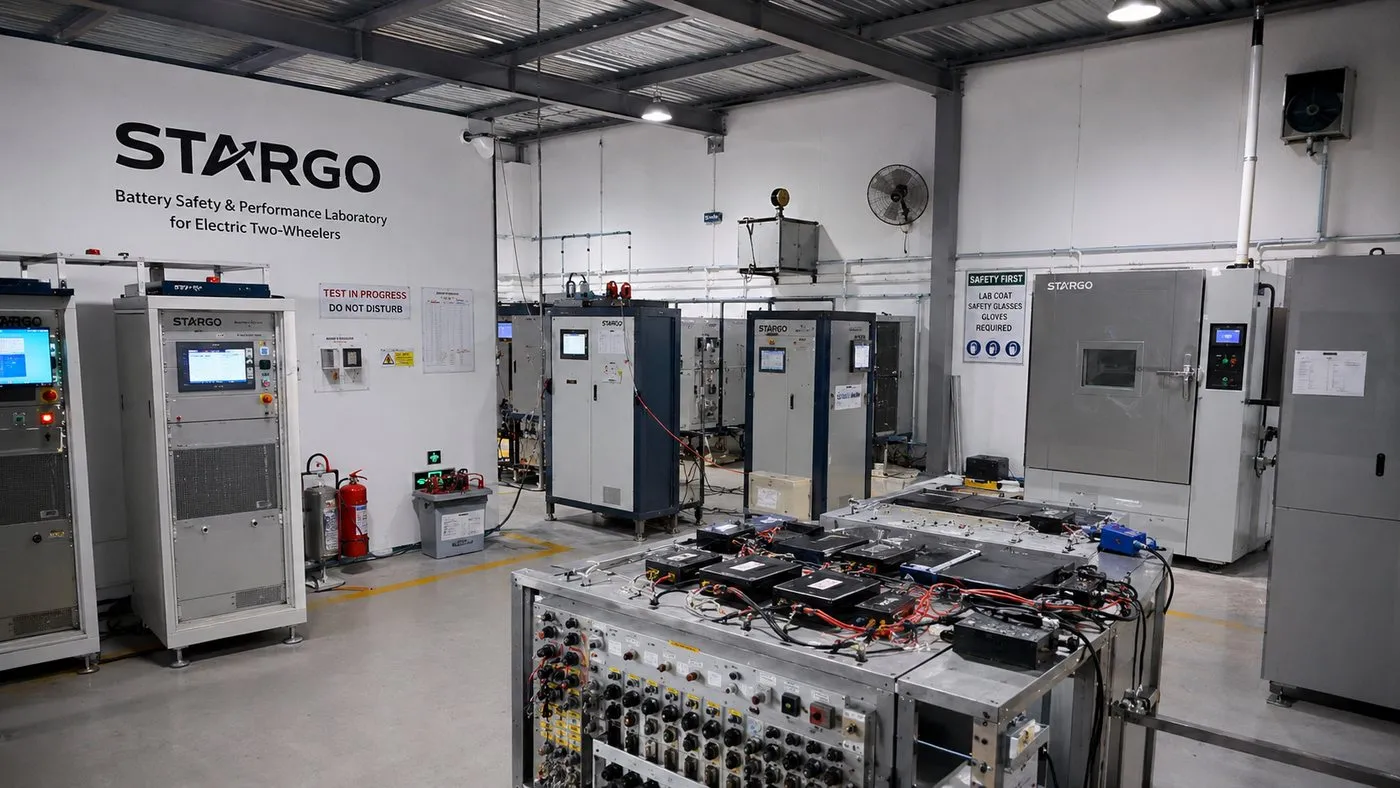
Lithium iron phosphate (LFP) batteries are rapidly displacing NMC chemistry in electric scooters due to superior safety, longer cycle life, and lower cost.
Lithium iron phosphate (LFP) batteries have captured over 65% of the global electric two-wheeler battery market in 2026, marking a dramatic shift from the nickel-manganese-cobalt (NMC) chemistry that previously dominated the sector. This transition is being driven by LFP's superior safety profile, longer cycle life, and significantly lower raw material costs.
LFP batteries offer over 3,000 charge cycles compared to 1,000-1,500 for typical NMC cells, making them more economical over the lifetime of the vehicle. Their inherent thermal stability also virtually eliminates the risk of thermal runaway — a critical safety advantage for two-wheelers that are often charged indoors.
Recent advances in LFP energy density have narrowed the gap with NMC batteries, with leading manufacturers now achieving over 180 Wh/kg at the cell level. Combined with innovative pack designs that maximize space utilization, modern LFP systems can deliver ranges that were previously only achievable with NMC chemistry.
STARGO builds its battery packs and BMS in-house across 48V, 60V and 72V platforms, with lead-acid, graphene and automotive-grade lithium options matched to each market. The BMS balances cells and protects against over-charge, over-discharge and over-temperature — exact configuration depends on model and target market.