What Documents Are Needed for EV Battery Export
· Ainne Zhang — Operations Director
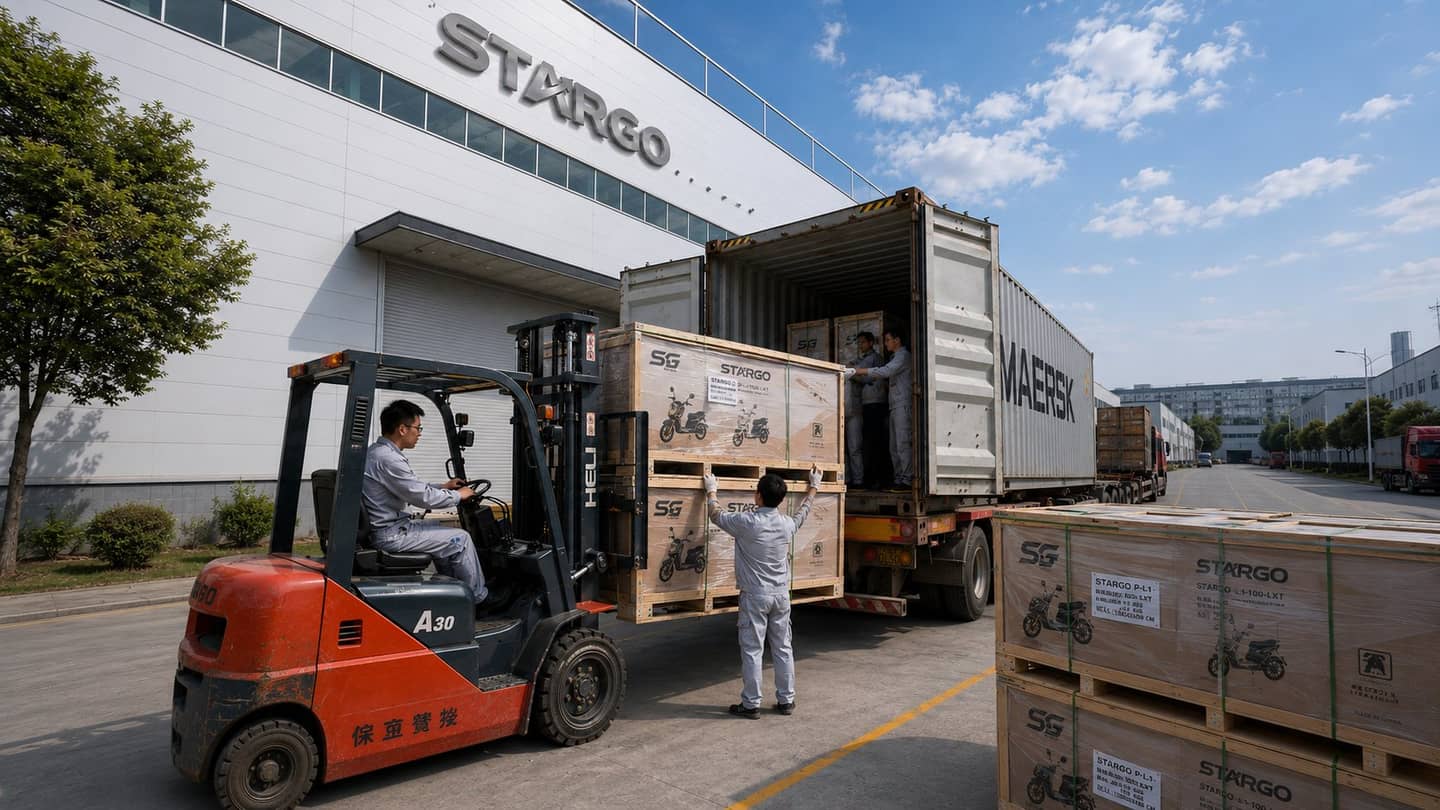
A practical export documentation checklist for lithium battery shipments: UN38.3, MSDS, Class 9 dangerous-goods handling, packaging standards, and common customs questions.
Lithium batteries are classified as Class 9 dangerous goods. Shipping them internationally — by air, sea or road — requires a specific documentation package. Missing documents are the most common cause of clearance delays for electric mobility shipments.
1. UN38.3 transportation testing report — Mandatory for every lithium battery model. It certifies the battery has passed UN-standardized tests including altitude, thermal cycling, vibration, shock, short circuit and overcharge.
2. MSDS / SDS (Material Safety Data Sheet) — Required by airlines, ocean carriers and customs in many destinations. Covers chemistry, hazard classification and emergency handling.
3. IATA DGR (air) or IMDG (sea) shipping declaration — Issued by the freight forwarder for each consignment based on transport mode.
4. Packaging certificate (UN-spec) — Lithium battery packs typically ship in UN-spec packaging with specific marking and labeling. The packaging supplier issues a certificate.
5. Commercial invoice and packing list — Must include HS code, accurate battery chemistry, watt-hour rating and quantity per package.
6. Air-only or sea-only routing constraints — Some destinations restrict air freight of standalone batteries. Confirm with your freight forwarder before quoting.
STARGO confirms UN38.3, MSDS and packaging documentation per battery model and configuration before shipment, as part of the dealer export package. Contact the export team to confirm the specific document list for your target market.