How to Choose Electric Two-Wheelers for the Vietnam Market
· Ainne Zhang — Operations Director
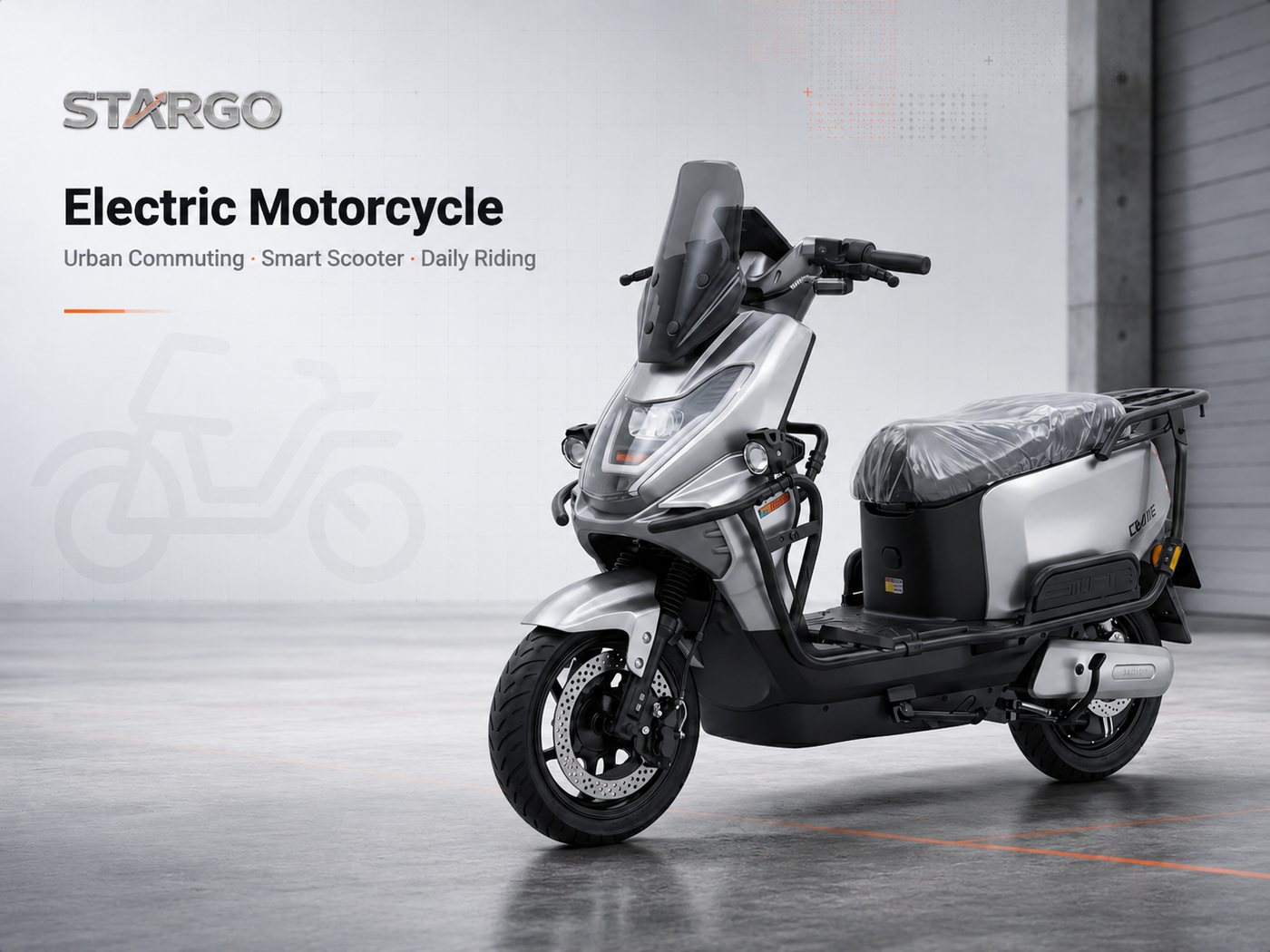
A practical buyer guide for Vietnamese dealers: voltage and motor selection, battery options, the most common consumer use cases, and what import documentation is required.
Vietnam is one of the fastest-growing electric two-wheeler markets in Southeast Asia. For dealers entering this market, vehicle selection should be driven by local riding habits, not by spec-sheet maximums.
1. Voltage and motor — 48V and 60V models cover most urban commuting and food-delivery use cases. 72V models are for longer-range commuting or cargo work. Most Vietnamese cities favor compact 60V scooters; STARGO matches its mainstream 500W–2000W brushless motors to each model and the speed-class regulations of the target market.
2. Battery — Removable battery packs are popular because many riders charge in apartment buildings without parking-level outlets. Lithium options outperform lead-acid on weight and lifespan but require export-grade documentation (UN38.3, MSDS) for shipping.
3. Range vs. price — End-customers in Vietnam prioritize 60–80 km of real-world range and a competitive price point over premium long-range vehicles. A 60V 30Ah pack is a strong default.
4. Frame and load — Many riders carry passengers or delivery loads. Reinforced frames and stronger rear suspension are worth specifying.
5. Import documentation — Vietnamese customs typically require: commercial invoice, packing list, bill of lading, certificate of origin, vehicle technical data sheet, and battery transport documentation. Confirm local homologation requirements with your customs broker.
STARGO can assist with model selection, customization and the full export documentation package. Contact the export team to request a Vietnam-market product line proposal.