Africa: The Next Frontier for Electric Two-Wheeler Growth
· Ainne Zhang — Operations Director
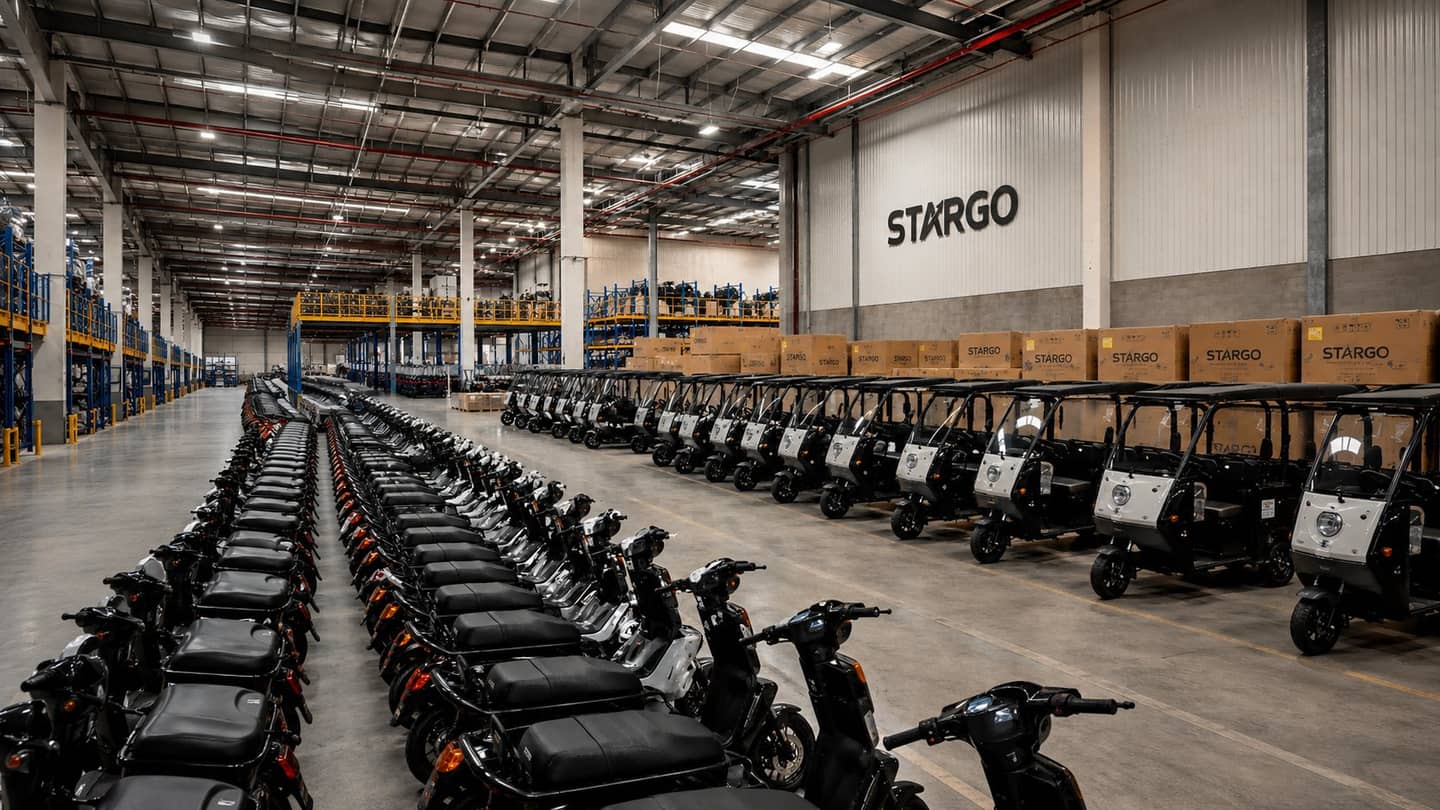
Fuel cost, mobile payments and local rules are why African dealers are asking about electric two-wheelers. This note does not quote a fleet-size figure.
Key Takeaways
- Fuel cost, mobile payments and local rules are why African dealers are asking about electric two-wheelers.
- This note does not quote a fleet-size figure.
Africa is one of the markets distributors ask about when they want a gasoline two-wheeler alternative. Many of the motorcycles and scooters in daily use are older gasoline machines that cost a lot to fuel and maintain. This note does not state how many of them are on the road.
Two practical changes keep coming up in dealer conversations. Fuel prices hit two-wheeler owners and operators directly, so total cost of ownership is the comparison buyers make. Mobile payments have also made pay-as-you-go and similar financing easier to offer.
Kenya, Rwanda and Nigeria are among the countries where dealers look for tax treatment of electric vehicles and for rules that apply to motorcycle taxis. Any national target, including a date for electrifying a commercial fleet, should be read from that government’s own notice before it is repeated.
For manufacturers and dealers, the work is a distribution network and a brand people can service locally. STARGO supports those enquiries factory-direct, with documents confirmed per destination at quotation.