CBU, SKD and CKD: Which Import Model Fits Your Market?
· Ainne Zhang — Operations Director
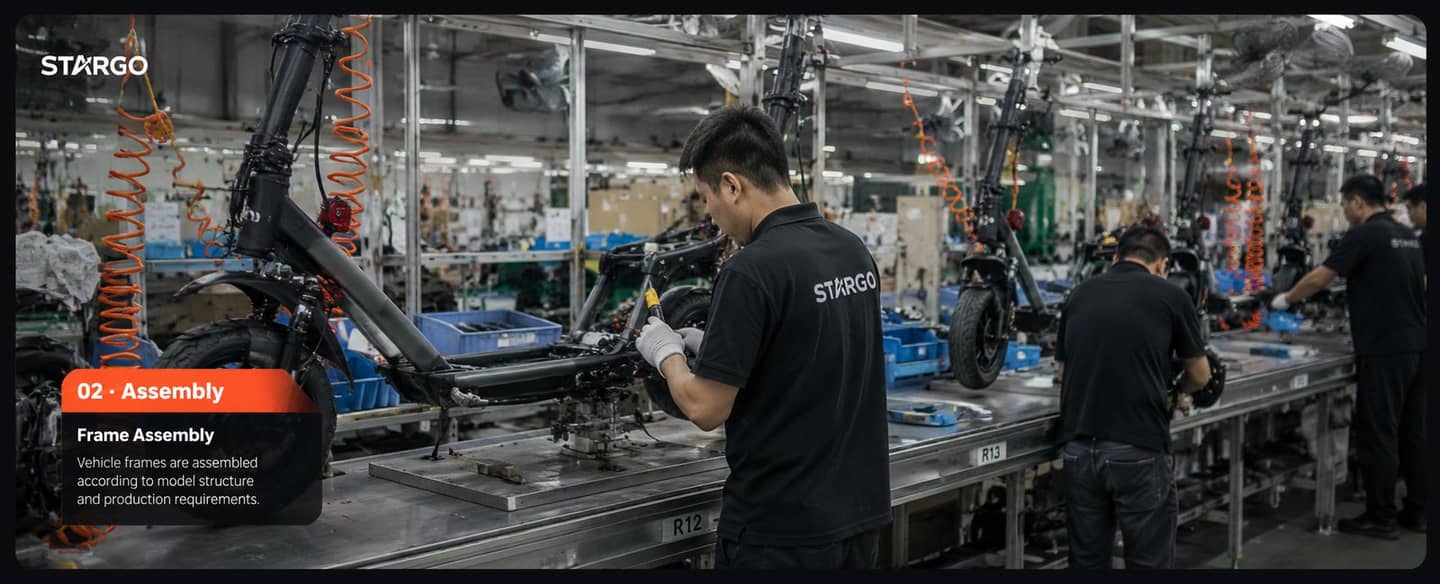
A practical comparison of three export modes — fully built (CBU), semi-knocked-down (SKD), completely knocked-down (CKD) — across import duty, local assembly value, lead time and capital outlay.
How you ship matters as much as what you ship. Dealers that match the export mode to local import duty structure and local assembly capacity get a structural cost advantage.
CBU — Completely Built Unit
- Vehicle ships fully assembled, ready for sale
- Fastest go-to-market, lowest local operational complexity
- Highest import duty in most markets — usually the most expensive option per unit
- Best for: market testing, low-volume premium positioning, markets with reasonable CBU duty
SKD — Semi-Knocked-Down
- Vehicle ships partially assembled; final assembly happens locally
- Lower import duty than CBU in many markets
- Requires a basic local assembly facility and trained staff
- Best for: mid-volume operations in markets with SKD duty incentives
CKD — Completely Knocked-Down
- Vehicle ships as components and sub-assemblies
- Lowest import duty in most markets; counts as local value addition
- Requires a real local assembly operation, jigs, tools and trained labor
- Best for: high-volume markets where local content earns tariff relief or government incentive
How to choose: Get a duty quote from your customs broker for each mode using STARGO's HS code, then compare landed cost per unit at your target volume. Most STARGO dealers start with CBU for first orders and move toward SKD or CKD as volume justifies local assembly.
STARGO supports all three modes. Contact the export team for a mode-specific quotation.