Battery Swapping Emerges as Key Solution for Delivery Fleet Electrification
· Ainne Zhang — Operations Director
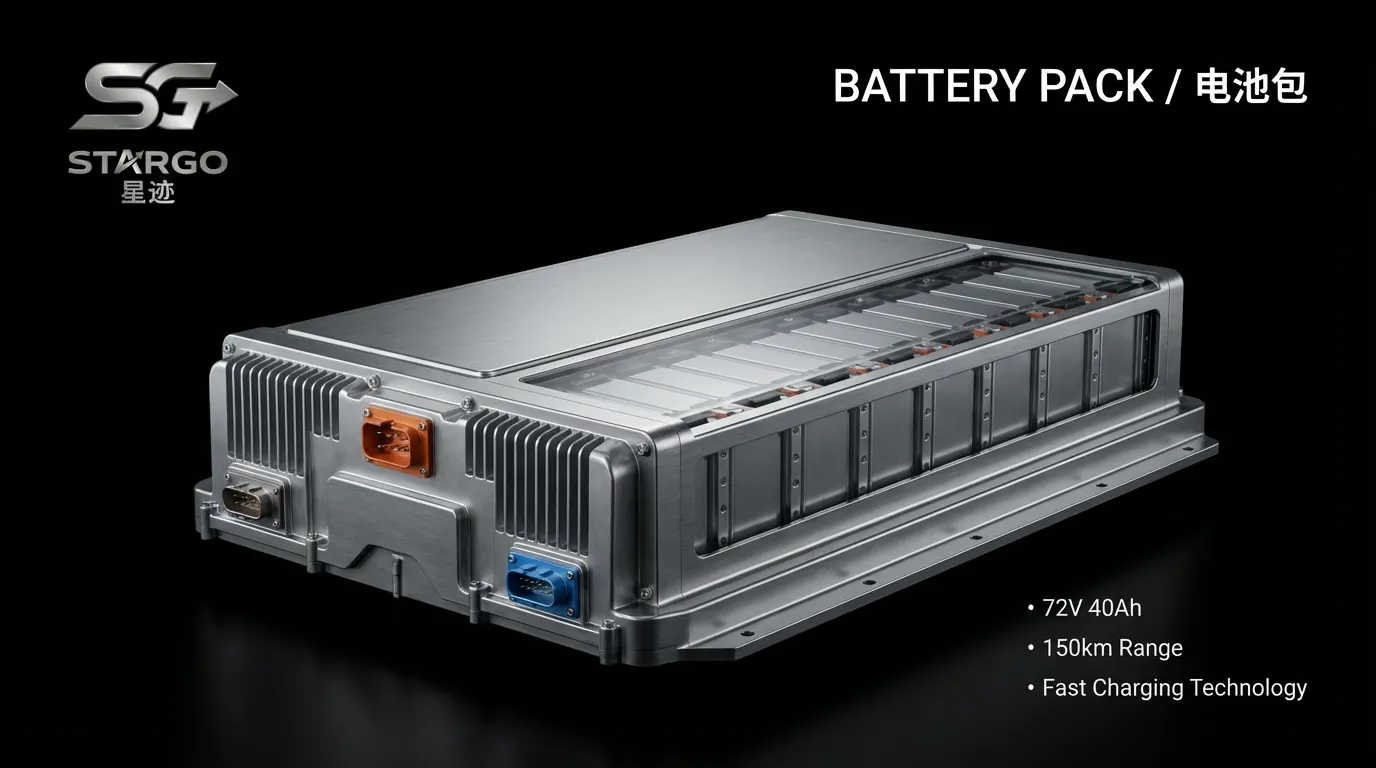
Major logistics companies are adopting battery swap stations to eliminate charging downtime and accelerate fleet electrification.
Battery swapping is one way delivery fleets in Asia and Europe try to keep riders moving when a full charge would take the vehicle off the road. How long a charge or a swap actually takes depends on the pack, the station and the operator, so this note does not publish a stopwatch figure.
Delivery platforms have been adding swap stations in city centers so vehicles can return to work without waiting on a charger. Any total-cost comparison with gasoline has to be calculated for the route, the energy price and the service contract. A general percentage is not used here.
The same shift is pushing the industry to talk about shared battery shapes that work across brands. Interoperability is what makes a swap network usable beyond one manufacturer.
For a manufacturer such as STARGO, swappable packs are both a product option and a design constraint. The urban scooter platform offers dual-battery configurations, and several models take an optional second pack. Whether a layout is used for conventional charging or for swapping is confirmed per model at quotation.